SOJOURNER ENTERPRISE consultancy provides programmes, resources, events and tools to support service improvement and help you to create a Network with shared values that align to the values of your organisation.
Sojourner Enterprise will help you develop a staff network in your department, team or organisation and we will support you to create a more inclusive environment for your talented and diverse workforce.
Workingin collaboration with company executives creates allies and provides staff with assurance and confidence which will undoubtedly boost staff morale and performance.
Revenue will improve, staff turn over will reduce and the organisation will avoid the loss of talented workers, because staff won’t feel the need to leave the job they love.
Therefore, the company can retain the best employees in their workforce. It’s simple really!
SERVICES
What We Do
Promoting the Positive Impact of Diversity in the Workplace
Providing you with the knowledge and skills to challenge unfair treatment and feelings of inequality in your place of work.
Listen and Engage
We focus on the removal of barriers preventing BAME staff from progressing their career pathways in the workplace.
Accountability & Leadership
We promote awareness of and engagement in the practice of positive cultural change at all levels within a organisation
Because One Hand can’t Clap
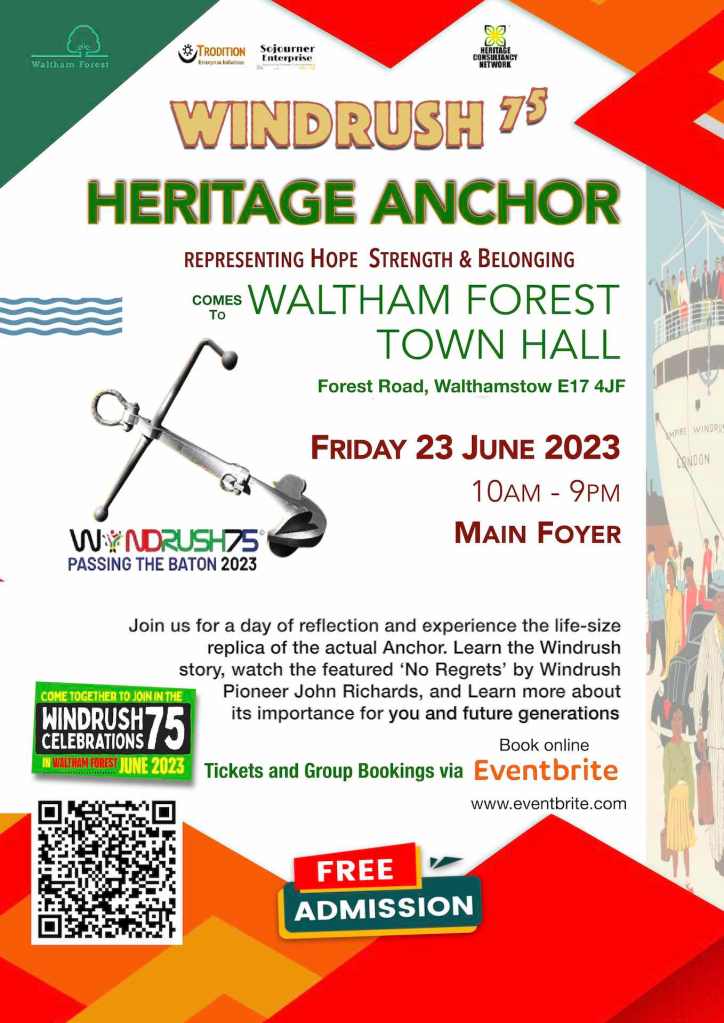
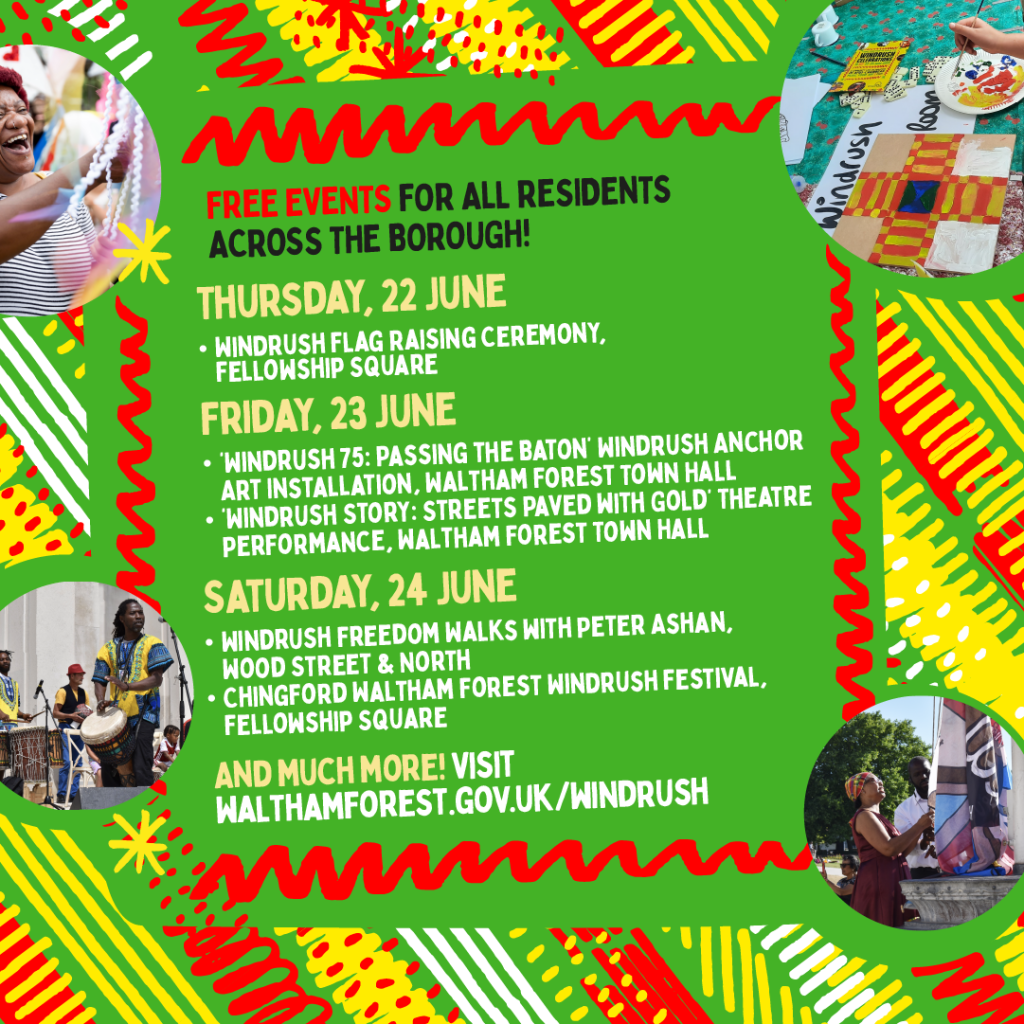
CELEBRATING WINDRUSH 75
On June 22nd 2023 the nation will celebrate the 75th Anniversary of the arrival of the Empire Windrush HMT landing at Tilbury Dock in 1948 with over 500 arrivers on board from the British West Indies who answered the call from Britain (fondly referred to as the mother country) to help rebuild the country after the devastation of WW2.
They went on to settle in towns and cities across the country and lay foundations for Black communities contributions and pioneering entrepreneurship in many areas including services and enterprise, music, education, sports, entertainment and lifestyle.
We celebrate the pioneers and their siblings. We continue to work with Windrush generations, communities and services to raise awareness of the Windrush Story and shine a light on the injustices. We are committed to supporting action to correct the shortcomings of the Windrush Compensation Scheme with our collaborators and partners, but for many Windrush comes with too many dark and painful memories to be a time of celebration.
THE WINDRUSH SCANDAL
The Windrush arrivers who were invited to come and help rebuild Britain, are facing huge issues with their status, citizenship and livelihoods over the past 75 years. Shameful treatment from the Home Office and a government that has left them destitute and dispossessed whilst being classed as illegal immigrants.
The scheme is under dire criticism. Many windrush arrivers and siblings have lost their jobs, homes and independence. Some have lost their lives or remain in exile, stranded in Africa or the Caribbean. Only a few thousand claimants have successfully won compensation, the majority of claimants have not yet been completed. Leaving the claimants in a whirlpool of degradation.
The Windrush scheme has torn families apart and ruined the lives of these British citizens. It is often described as institutionally racist and the calls to right the wrongs still not being heard by those with the responsibility and power to make positive legislative change.
Windrush Scandal Report Suppression
In September 2024 the Home Office lost its battle to suppress a report on the historical roots of the Windrush Scandal after a Tribunal ordered disclosure of the report. Access the un-named historian’s report here outlining the history and immigration policies that to all intent and purposes led to the detrimental and shameful Windrush scandal.
Although the report does not provide us with specific recommendations, it does provide us with a functional resource and an accessible explanation on how race and immigration policy have been seamlessly interlinked into the UK’s political history with a purposeful intention to reduce the population of people of colour.
Key findings of the report include:
Changes in immigration and citizenship laws since 1948 disproportionately affecting Britain’s Black communities, compared to other racial and ethnic groups.
Major legislative changes in 1962, 1968, and 1971 that were designed specifically to reduce the proportion of people of colour living in the United Kingdom.
Evidence of a “dysfunctional” relationship between the Home Office and the organisations set up to address race relations in the latter part of the 20th century.
The value of a diverse workforce can be reflected in service delivery and measured against recruitment, retainment and workforce wellbeing. We have a range of services to support you to create and embed your EDI Strategy and implement a programme of workforce support the meets your specific needs at all levels.
RISK AND ETHNIC COMMUNITIES
Health inequalities are now a topic of great concern across sectors. If you are of an older age or from a ethnic background you are more likely have serious illness or death from corona virus, or related variants, compared to people from white backgrounds. Health sector organisations are now obligated to complete Equality Health Impact Assessments (EHIA).
As reported by NHS Employers, since the arrival of the Corona Virus the Black, African, Asian, Indian, Indigenous and other ethnic minority groups are more vulnerable to serious illness or death from COVID-19 than others. Reasons include socio-economic circumstances. The evidence in the PHE Disparities Report shows risk factors are growing. PHE guidance is being updated to reflect the needs evidenced. Beyond the Data Report.
The national response has several shortcomings, but we believe that culturally competent and specific communications are essential to implement the action necessary to bring about real change.
Across all healthcare, corporate and commercial sectors, staff and management are now in a position to take the necessary action to ensure that the disproportionate impact of discrimination on their workforce staff from black, african, asian and other minority ethnic backgrounds and protected groups are minimised and that those staff feel appropriately supported and adequately protected.
We provide a range of learning programmes to ensure you develop the skills to support your workforce to reduce risk in these areas.
RISK ASSESSMENTS
The completion of impact assessments mitigate risk and provide you with the tools to track and monitor effectively.
The process of assessment should be managed in a meticulous and sensitive way given the fact that discrimination and systemic issues exist in most businesses, impacting the workforce staff, patients and clients or customers.
Significant evidence has revealed that staff from various ethnicities often work in frontline roles, therefore the likelihood for discriminatory behaviours impacting them must be considered, researched and evidenced in order to meet PSED. See Race Equality Foundation article.
Issues and experiences of discrimination in the workplace are evident in most organisations.
To ensure your organisation is appropriately addressing discrimination you should have installed measures for Due Regard to be taken when a policy or operational activity is being written or revised, as it will or may affect people with protected characteristics. Assessing risk is not a box ticking exercise.
The equality impact assessment is a systematic and evidence-based tool, which allows you to consider the likely impact of your service, project or programme or policy on different groups of people. Completion of the equality impact assessment is a legal requirement under race, disability and gender equality legislation.
Equality Impact Assessments are a sure way to measure and monitor policy compliance with the Public Sector Equality Duty and EDS. A completed EIA should always accompany a policy submission to decision-maker executives.
Due Regard must be seen to be taken when considering the impact of a service, procedure or policy
In 2021, the government’s school workforce data showed black and Asian people are still being under-represented in the teaching workforce. According to the data gathered, which covers a selection of state schools in England, just 4.7% of teachers in England were Asian despite Asian people making up 8.4% of 16- to 64-year-olds at the last census, and of those whose ethnicity was known it was just 2.3% of black teachers, compared to 3.6% of the working-age population.
Whilst at senior level the disparity is even more blatant, showing that just 1% of head teachers are black, and 1.6% are Asian.
In section 17 of the Race Relations Act you will find it evidenced that it is illegal for any school to discriminate against a student because of their race. This means that schools cannot discriminate in their admission policies, application processes, or in provision of access to facilities or be unfairly excluding a pupil because of their race. The Act also states that schools are legally entitled to make provisions for members of certain racial groups in order to meet the needs of that group.
Our Anti Racism and Cultural Intelligence Programmes are designed to meet your needs and ensure you meet the expectations of your students, their families and national standards.
Music and Creative Industries
63% of Black music makers experience racism and discrimination in the UK music industry
The UK music industry is diverse and we have a lot to be proud of, but there is still some way to go before the industry become fair and equitable place to work for its employees. Data revealed in the BLiM 2020 study was obtained from a survey of 1,718 performers, creatives and staff. The outcome revealed bias behaviours, microgressions, pay disparities and discrimination are frequently experienced by Black and minority groups in the music industry.
64% of respondents to the survey, which crossed grassroots communities, were from Black, mixed and Asian heritage. The majority of respondents (55%) lived in London and 17% had a physical or mental impairment, long term health condition or disability.
From chart topping hitmakers to closet producers and community based superstars, the spectrum of challenges faced by Black and ethnic minority groups shocking and evident in the music and creative industries. Further compounded by a lack of equal treatment and access to venues, support and services. In 2020 we met with Inside Reggae UK following a series of online discussions with Black creatives and professionals in the British, American and Jamaican reggae sector.
Each interactive session was held online and often ran over an extended period to engage as participants had so much to say. We found far too many shared experiences of discrimination and exclusion. This is a complex area that crosses legal and human rights with its roots in an Edwardian legal system, but with the experience and commitment of our team we will strive to achieve the best possible outcome. We continue to work with Inside Reggae supporting reggae communities to obtain fair and sustainable solutions.
Equal Rights for Reggae and Sustainable Social Change
Image courtesy of Jamaica Life
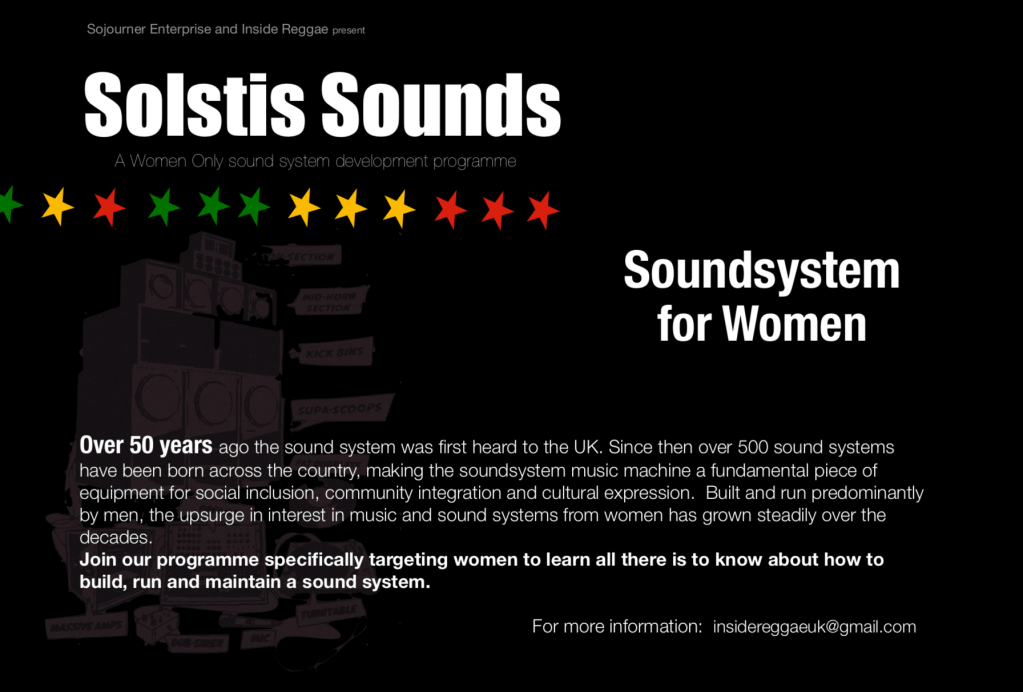
Heritage Arts and Culture in British Soundsystems
Call for Permanent Black Music Exhibition
The rich history of Black British Music dates back some 500 years and has in the centuries that followed become a formidable impressive motivator for social change, inclusion, inspiration and trendsetting through the generations. Its impact is clearly evident in fashion, food, language, music composition and social economics, yet there is little to be seen in the main stream media or among governing bodies to recognise these contributions to British society, or the British economy.
In December 2024 a call was made to establish a permanent Black Music Exhibition. The article is listed below. Please take a moment to read it and support this action.
The Black Music Research Unit, with support from the music industry and music fans, believe that, by establishing a permanent exhibition space and introducing Black British music into the curriculum, we can honour this vital legacy, ensuring its preservation and celebration for generations to come.
The Reggae Exhibition was established in June 2012 in conjunction with the Jamaican Expo (London 2012) in Stratford, East London. It was established to celebrate Reggae music in general and the enormous influence Reggae music has had on other musical genres in particular. Importantly, the Exhibition will explore the very Roots of Reggae music and how it developed into the most popular musical genre.
ABOUT THE REGGAE EXHIBITION
The makings of a Reggae Museum
The Exhibition travels the globe at live events, venues and activities, and can be featured at your event by contacting Mr Robinson directly at the Regge Exhibition website. The main event will feature a compilation of the history, advent and world-wide growth of Reggae. All the major influences and traditions leading to the development of other genres that evolved from Reggae are presented with previously unpublished photos, pictures, leaflets, flyers and sketches are all exhibited and deliver an exciting and informative experience for visitors of all ages and abilities.
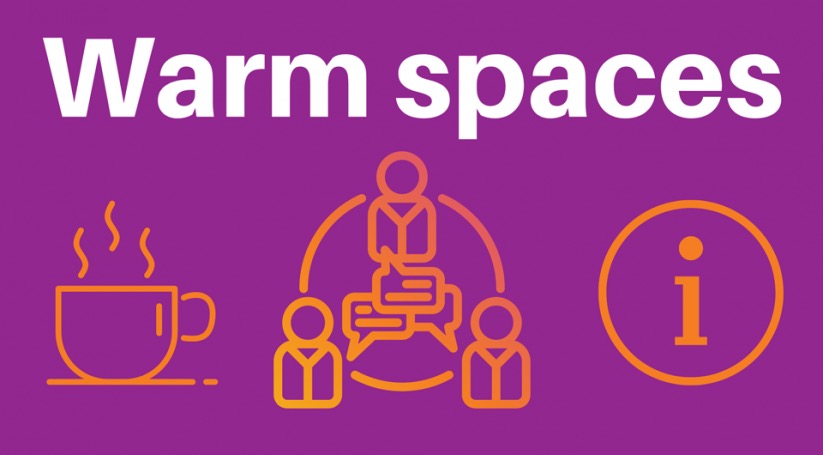
Finding Warm Space Support
Support during the Cost of Living Crisis is available in your local area through the provision of Warm Spaces where you can keep warm, get something to eat and drink, talking services and other support is provided at some sites to help you through the winter in these difficult challenging times.
You can find your nearest Warm Welcome Space by searching the online map in the link below. Use the map to search by location to see local Warm Welcome Spaces close to where you live. You can also check your local council website for details of Warm Spaces open in your area. You’ll find details about when the Space is open and the activities on offer.
Diversity and Inclusion should now be at the top of the agenda in all organisations
Why Join Sojourner Enterprise Network?
STAFF NETWORKS allow for the voice of the collective workforce to be heard, engaged with and aligned with the organisations values.
In this way we collaborate with you and your organisation as allies and we support you to make the changes necessary to champion inclusive strategic equality methods at all levels in at your place of work or study.
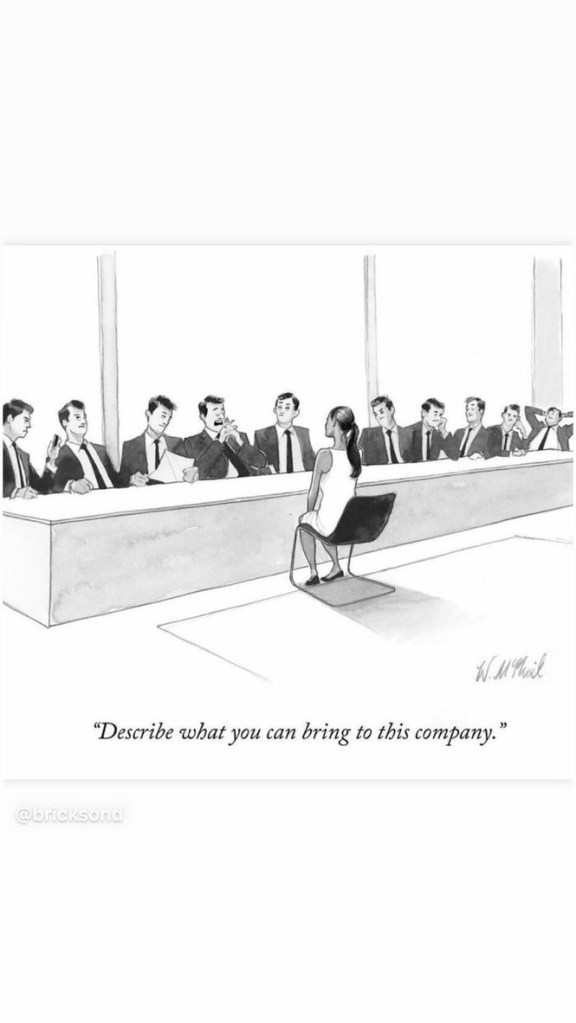
Discrimination, Diversity and Inclusion are now crucial issues in the workplace. All organisations in all sectors are now taking a second look at their policies and behaviours to ensure they are treating their staff fairly.
There has never been a better time to be part of a group actively challenging discriminations, inequality and systemic racism in the workplace, and who are actively championing intersectionality, leadership and inclusion.
The value of learning the tools and triggers that fuel bias behaviours are priceless and can only serve to benefit you to overcome the challenges. These tools can also be used outside of your place of work to support your progression and improve your wellbeing and that of the organisation as a whole.
Because you have the right to know
YOUR WORKPLACE SUCCESS
Workplace success is built on human interactions, collaborations, partnering and the ability to work together.
We provide a range of learning tools to develop your awareness of behavioural habits and unconscious decision-making that can impact negatively on other people in your organisation or team.
Cultural Appreciation
The Bias Illusion
Emotional Wellbeing
Bullying & Harassment
Freedom to Speak
Being Policy Wise
Leadership Development
Shared Values
Fostering an inclusive, well balanced environment enhances an organisation’s ability to attract and retain a talented workforce. All organisations have a legal obligation to take care of all their staff.
The diverse workforce widens the pool of potential job applicants and demonstrates a workplace culture that values all its staff and demonstrates a strong corporate and social responsibility for the company.
“Go where you’re celebrated Don’t stay where you’re tolerated Don’t stay where you’re denigrated… Because you don’t have to…!”
⭐⭐⭐⭐⭐
Rating: 5 out of 5.
“Accountability “
We all have a responsibility to treat each other with respect, but that culture can only be created by a business keen to tackle it and face it full front. Nima Baniamer, Sky
⭐⭐⭐⭐⭐
Rating: 5 out of 5.
“Celebrate differences”
When we listen and celebrate what is both common and different, we become a wiser, more inclusive, and better organisation.
Pat Wadors, Linked In
⭐⭐⭐⭐⭐
Rating: 5 out of 5.
“Adjust the Mindset”
The point isn’t to get people to accept that they have biases, but to get them to see [for themselves] that those biases have negative consequences for others.
Theresa McHenry, Microsoft
Whilst advances in diversity and inclusion are more evident in recent years, we are still seeing high numbers of disparities in equality and equity at all levels in businesses across the sectors. Sojourner Enterprise will work with you to help you ensure your business meets the needs of your employees. We provide you with bespoke tailored solutions to ensure your workforce is inclusive and operating with best practice at the core of its service delivery and values.
Sincere thanks to our expert panel of speakers, we receive some great feedback from our events.
Huge thanks also to all participants who attend our events. We are so passionate about equalities, our events are designed to give you the insight and support you need to place yourself better when dealing with the challenges of facing discrimination. Follow up events are always being scheduled. Keep an eye on our website for further details or request to join our members list to take full advantage of the benefits of membership.
We encourage you to sign up early to be informed as our events sell out quickly.
Please see the links below for event slides and audio.






















 Sojourner Enterprise